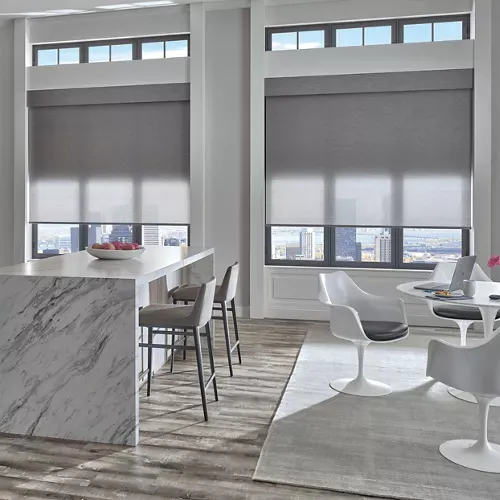
The summer sunshine is one of the best things about living in the Piedmont Triad, until it’s bleaching your sofa, washing out your TV screen, and turning your living room into a greenhouse by mid-afternoon. If you’ve found yourself choosing between closing the blinds completely or just accepting the damage, there’s a better solution. And it starts with understanding the difference between solar shades and roller shades.
Same Mechanism. Very Different Materials.
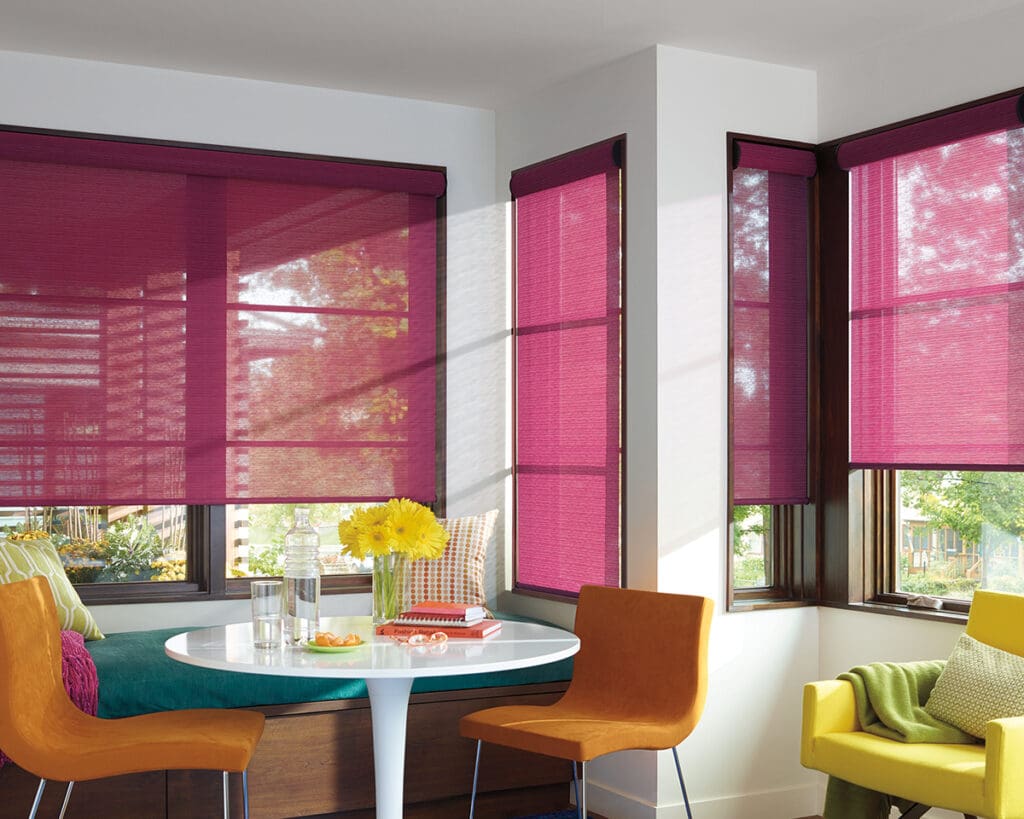
While all solar shades are roller shades, not all roller shades are solar. The term “roller shade” refers to the mechanism, not the material. Any shade that rolls up onto a tube at the top of the window is technically a roller shade. What changes everything is the fabric.
A solar shade (sometimes called a screen shade) uses an open-weave mesh engineered to let you see out while filtering UV rays, reducing glare, and cutting solar heat gain, without darkening the room or sacrificing your view. The Hunter Douglas Designer Screen Shade takes this further, blocking harmful UV rays while maintaining beautiful view-through.
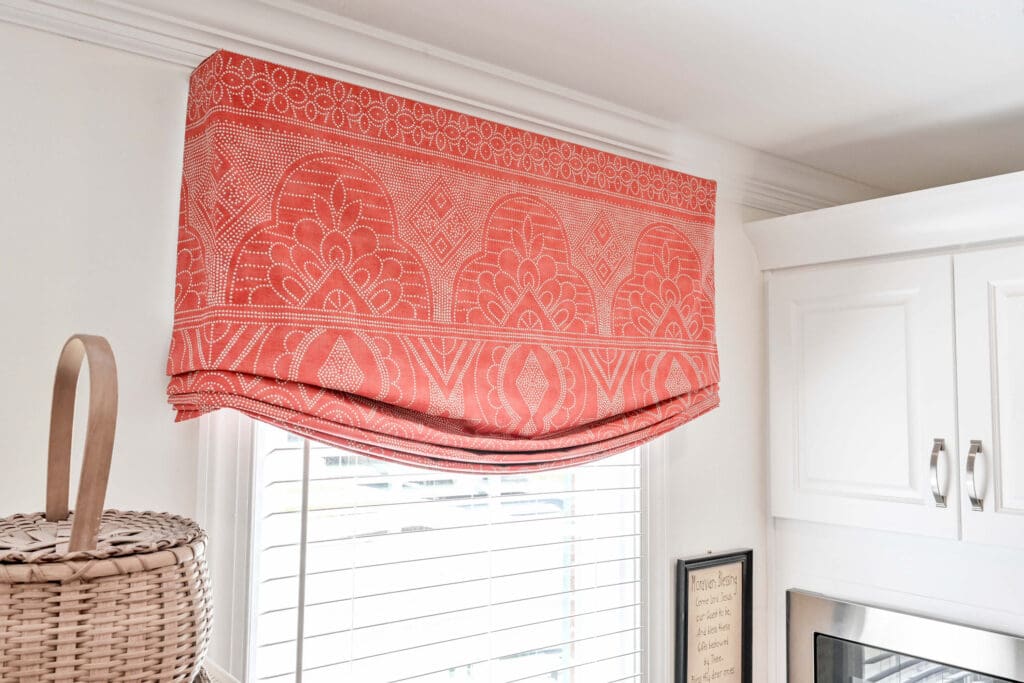
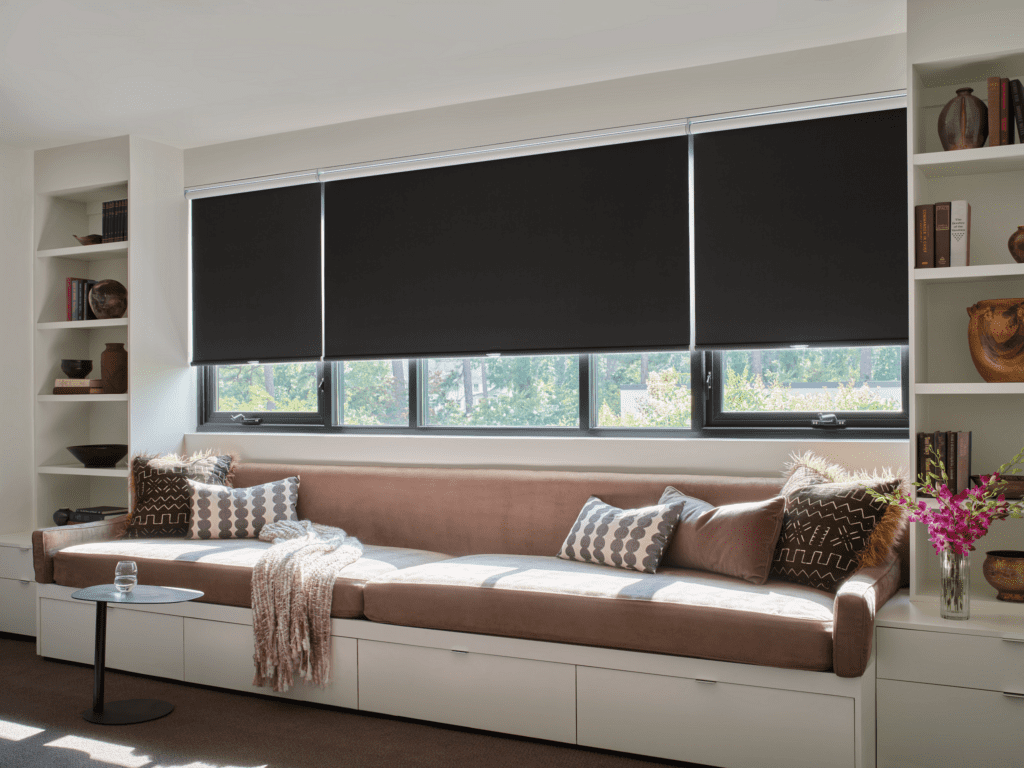
A standard roller shade uses a more opaque fabric, ranging from light-filtering to full blackout, which is better for privacy and light blocking, but not designed for view-through.
What is Openness Factor?
Every solar shade comes with an openness factor — a number that tells you how tightly or loosely the mesh is woven, and how much light, heat, and visibility passes through.
- 1% Tight weave, excellent UV and glare control, strong privacy, still a view
- 3% The sweet spot for most rooms; solid protection with good visibility
- 5% More open and airy; ideal where glare isn’t severe
- 10%+ Maximum clarity with minimal light blocking
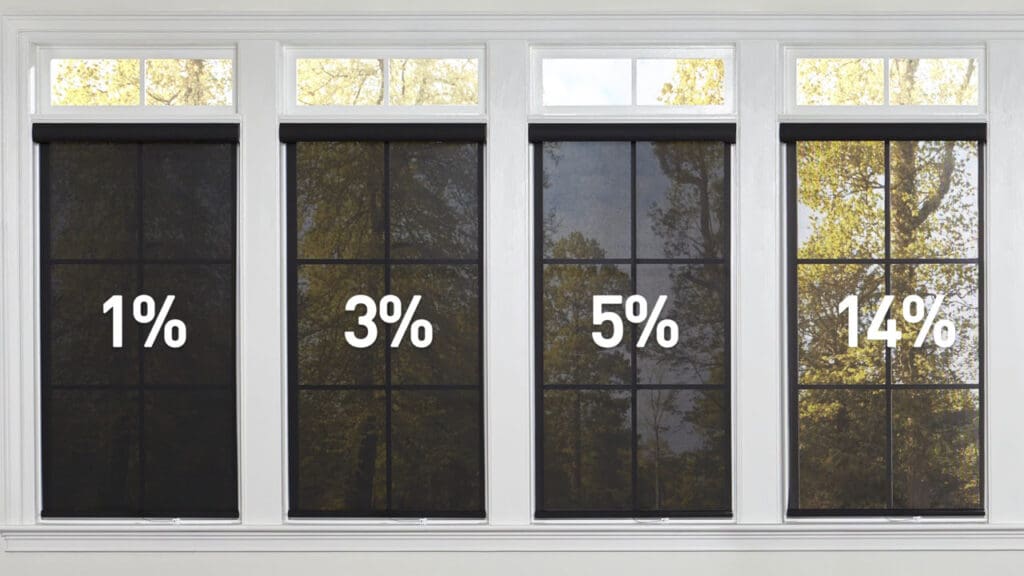
Interestingly, darker-colored fabrics give you a clearer view than lighter ones at the same openness factor. Lighter materials reflect more light back into the room, creating surface glare on the shade itself. These are exactly the kind of details we work through together during a consultation.
UV Protection and Energy Savings
Most homeowners don’t notice UV damage until it’s already done — faded upholstery, bleached rugs, discolored hardwood floors. Solar shades block a significant percentage of UV rays even at higher openness factors, keeping your furnishings protected without closing the room off to light. They also act as a physical barrier against heat transfer, meaningfully reducing cooling costs while still preserving your view and natural light.
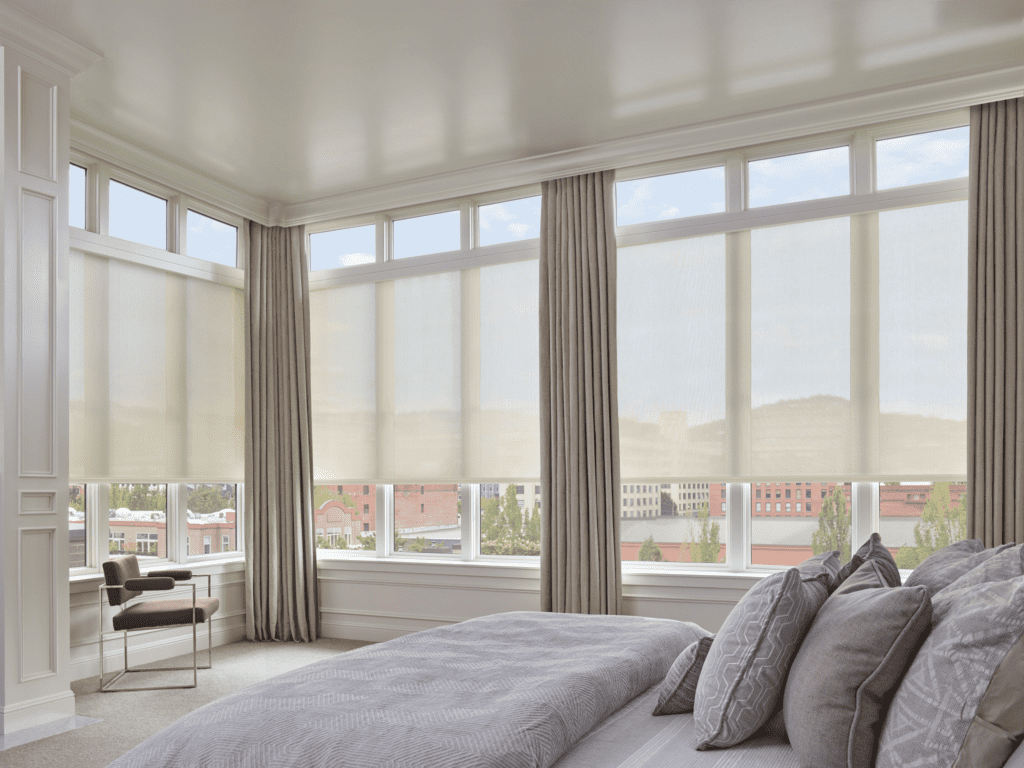
Solar shades will significantly reduce glare on TVs and computer screens but won’t eliminate it entirely. And because the mesh is designed for view-through, solar shades do not provide full privacy — particularly after dark when interior lights are on.
How to Solve the Privacy Problem
For windows where you want solar protection during the day and privacy when you need it, we have solutions.
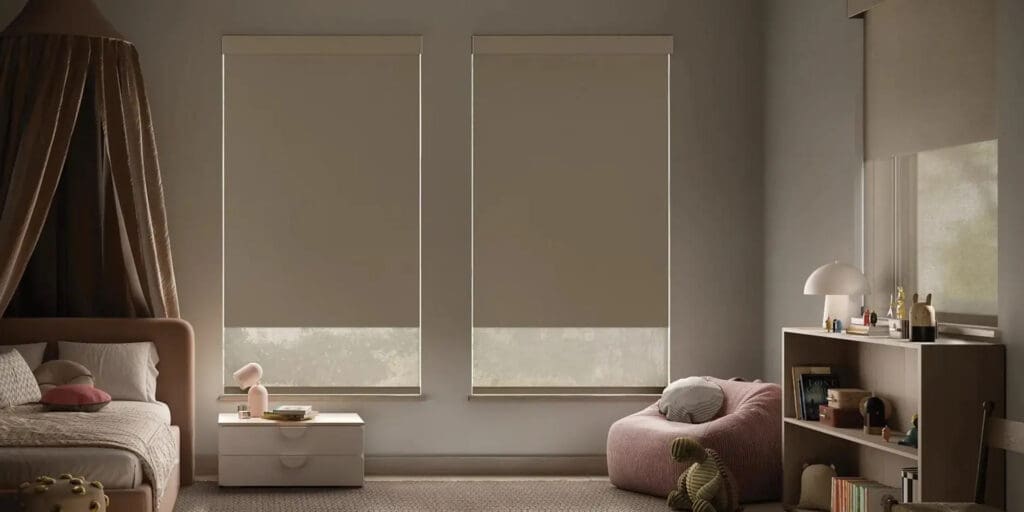
The Hunter Douglas Designer Roller Duolite® pairs a light-filtering shade with a room-darkening liner on a single roller — solar protection during the day, full privacy when you need it. Available exclusively with Hunter Douglas PowerView® automation, both shades can be controlled from your phone, a remote, or voice command, and are easily integrated with your smart home system.
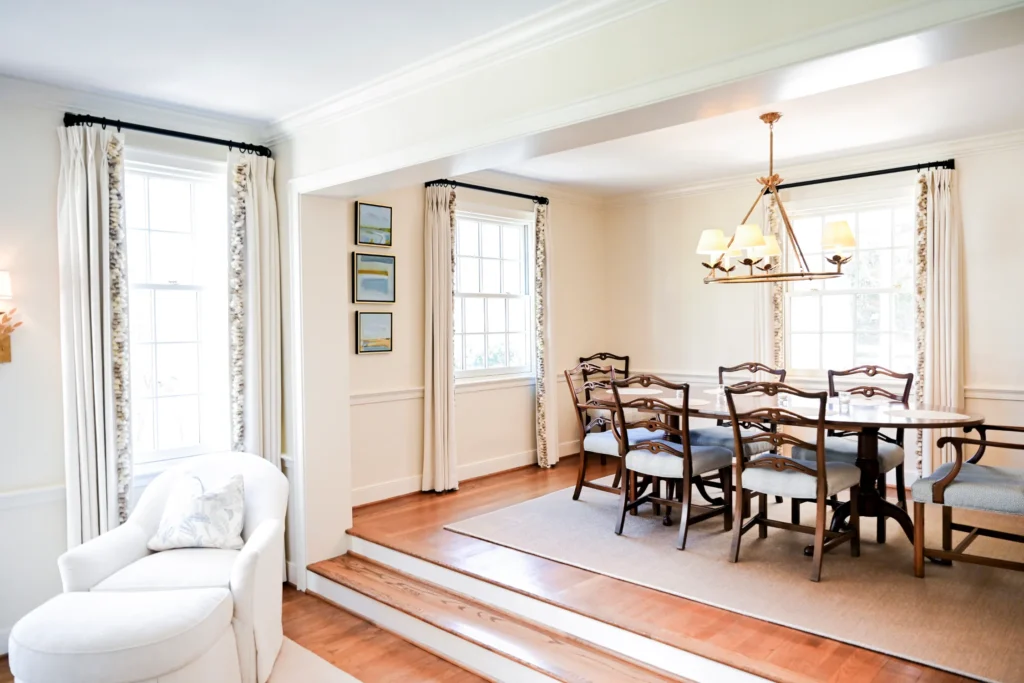
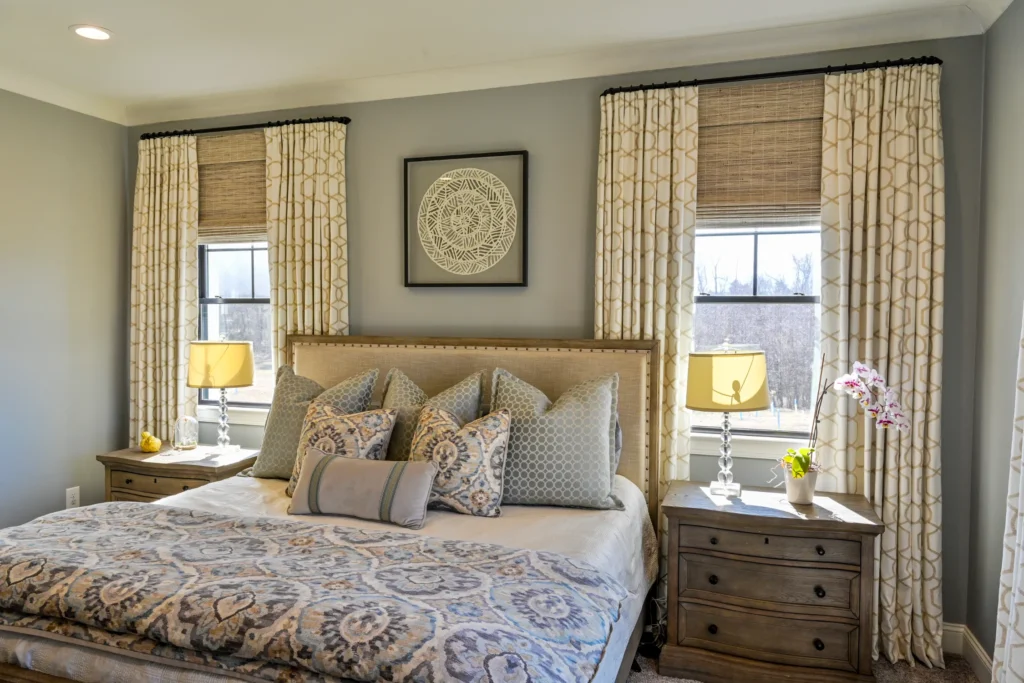
Prefer a softer look? Layering a solar shade with custom drapery panels adds texture, warmth, and privacy on demand, a particularly popular combination in living and dining spaces.
Don’t Forget Exterior Applications
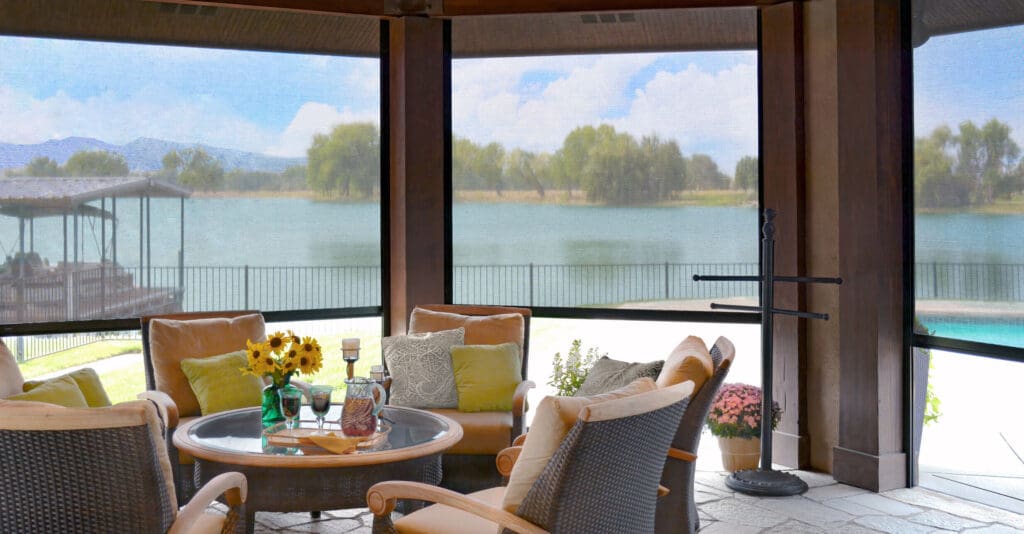
Solar shades aren’t limited to interior use. Specialized shades rated for covered exterior spaces, including screened porches, outdoor kitchens, and covered patios, can dramatically improve comfort in transitional areas of your home.
The Right Shade for Your Greensboro Home
Whether you’re protecting furniture, reducing glare, or making your space more comfortable this summer, solar shades are one of the most functional (and most beautiful) upgrades you can make to your windows.
As a Hunter Douglas Centurion Gallery, we have access to the full range of Hunter Douglas products and the expertise to make sure every detail is right. Our process includes an in-home consultation, where we bring samples directly to your home and help you find exactly the right solution for how you live in your space.
Ready to protect your interiors and reclaim your view? Schedule a design consultation today.