In real homes, windows come with trim, hardware, depth limitations, and daily use patterns, which means the right mounting choice can make all the difference.
Inside mount versus outside mount is one of the most important decisions in window treatment design. This single detail affects how your treatments function, how they layer, and how comfortable they are to live with every day.
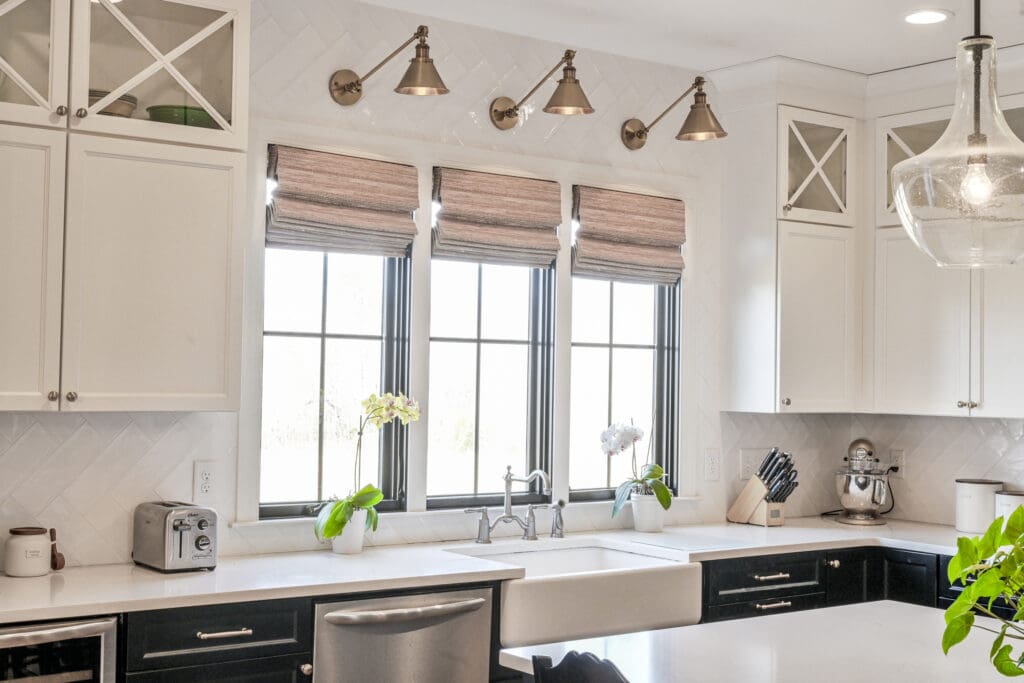
Inside Mount vs Outside Mount Basics
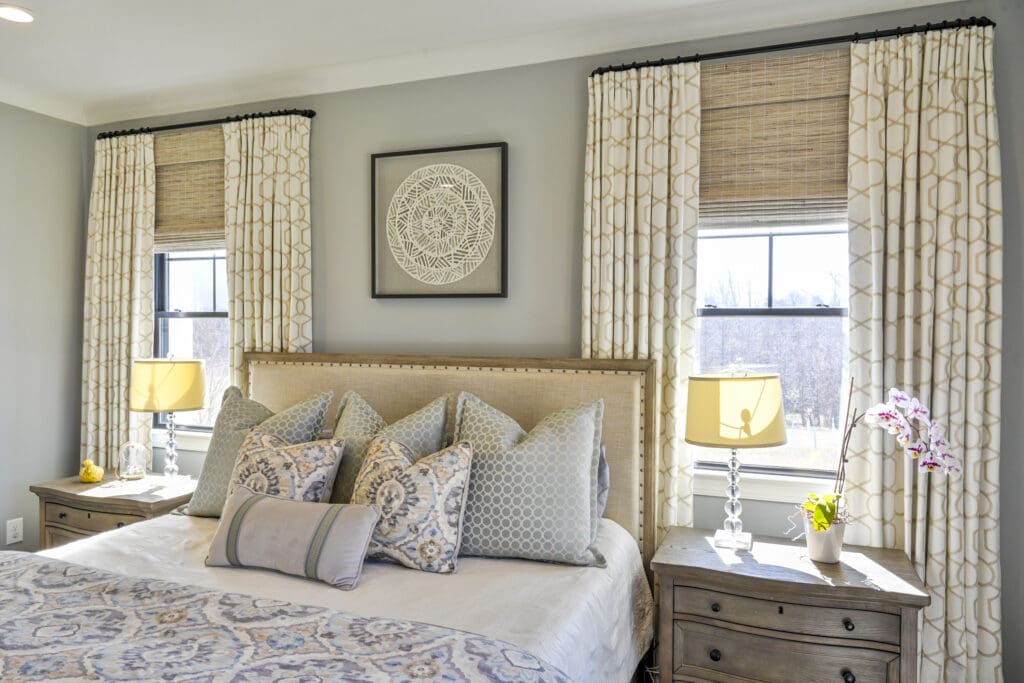
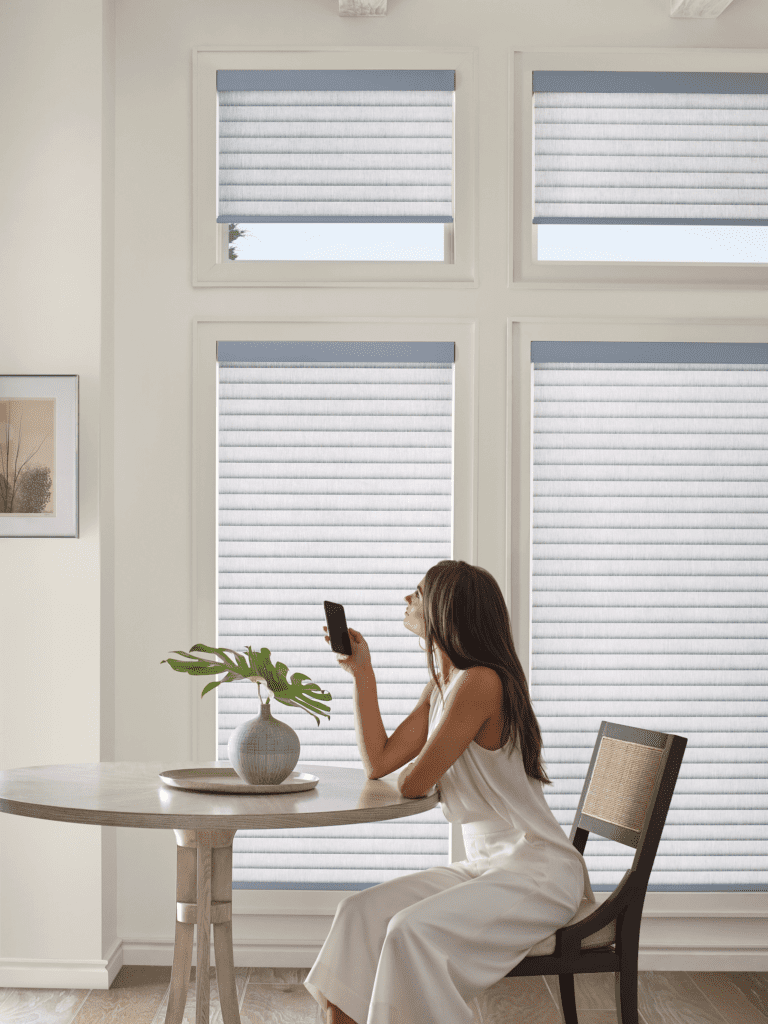
An inside mount places the shade within the window opening. When depth allows, this creates a clean, tailored look that keeps trim and architectural details visible. Inside mounted shades often works beautifully in layered designs, allowing drapery panels to frame the window without competing visually.
However, an inside mount depends entirely on available depth. Without enough space, shades may not clear window hardware or operate smoothly. This is especially important in older homes or spaces with substantial trim profiles.
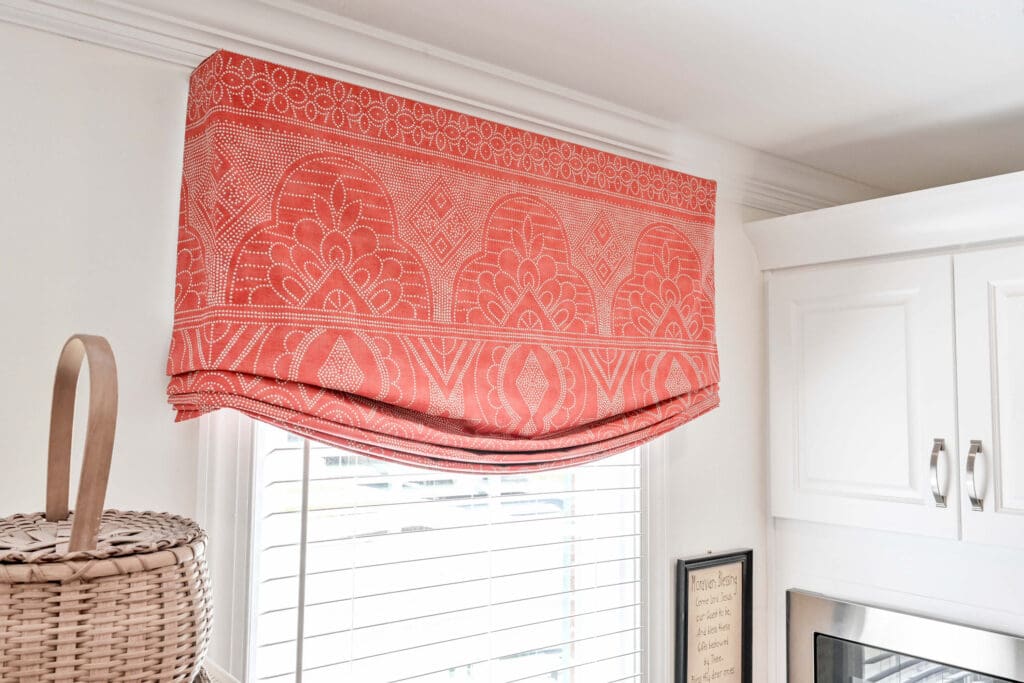
An outside mount installs the shade above or just beyond the window opening. This is often the best solution when depth is limited, offering functional advantages. Outside-mounted window treatments can provide more complete light coverage, improve privacy, and help reduce gaps where air and light can pass through.
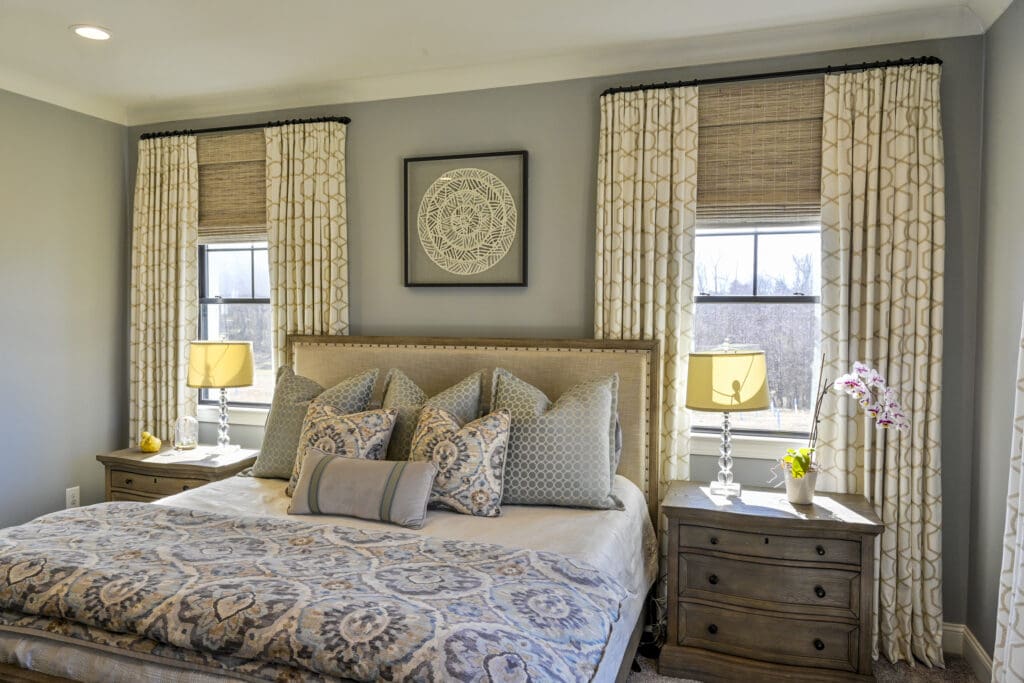
From an energy-efficiency standpoint, performance does not come only from a single layer, but rather from how the layers work together. One of the most effective approaches is an inside-mounted shade paired with outside-mounted drapery and a top treatment. Layered together, shades, drapery, and top treatments work as a system to control light, temperature, and airflow while giving the window a polished, intentional finish.
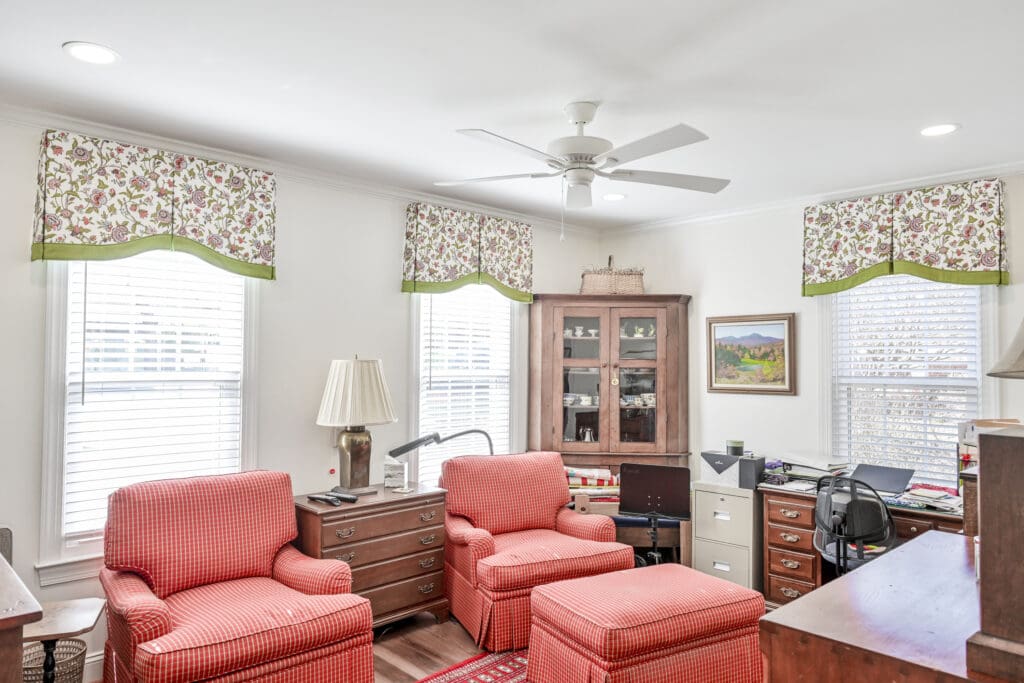
Architecture, Trim, and Visual Balance
Mounting decisions should always respect the architecture of the home. In spaces with beautiful trim or detailed molding, an inside mount allows those elements to remain visible and celebrated, creating a clean, tailored look that feels intentional.
In other cases, an outside mount can be used strategically to create visual balance. When windows are uneven, undersized, or visually cluttered, mounting treatments outside the opening can help correct proportions and conceal architectural flaws. This is also where top treatments (such as valances or cornices) play an important role, allowing treatments to feel finished while disguising inconsistencies at the window.
Casement Windows and Hardware Considerations
Casement windows often raise concerns because of cranks and locks, but they are not a design obstacle when planned correctly. Newer casement hardware is often less obtrusive, and with expert measurement, inside mount is frequently still possible.
When depth or clearance is tight, thoughtful adjustments, such as mounting slightly forward or selecting the appropriate shade style, allow treatments to function without interfering with operation. In some cases, an outside mount provides the cleanest, most user-friendly solution while still preserving the look of the window.
The key takeaway is this: casement windows are not a limitation. They simply require careful planning that accounts for how the window is opened and used every day.
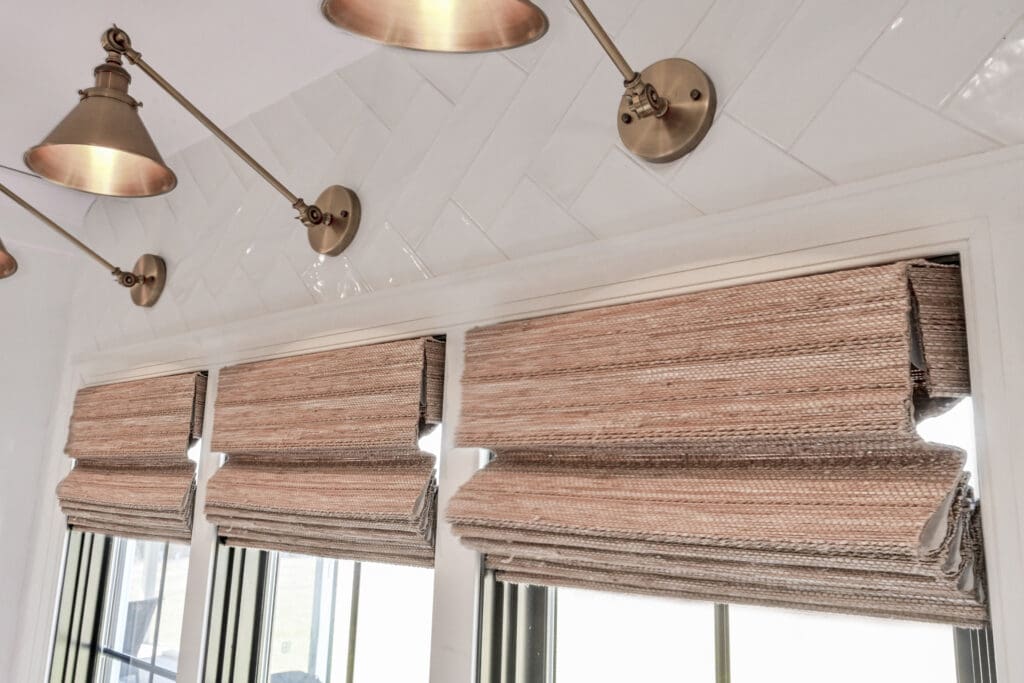
Layered Window Treatments and Everyday Livability
Layered window treatments (such as a shade paired with drapery) depend on coordination. Mounting affects how layers stack, how smoothly they operate, and whether the space feels comfortable or cumbersome.
When mounting is planned well, shades clear hardware easily, drapery hangs gracefully, and layers feel intuitive to use. When it’s not, treatments may bump into cranks, feel bulky, or become frustrating over time.
Mounting decisions also influence performance. Properly layered treatments add insulation at the window, especially when combined with performance fabrics. Shades that sit correctly help control solar exposure, while drapery adds an additional soft barrier that supports comfort year-round. These details may be invisible once installed, but they’re deeply felt in daily life.
Expert Planning, Craftsmanship, and Installation
Most window treatment frustrations aren’t about style. They’re about decisions made too late. Online inspiration rarely accounts for window depth, trim profiles, or hardware placement.
At Window Works Studio, these decisions are guided by experience. Our team takes meticulous measurements, evaluates depth, trim, and hardware, and plans each treatment with intention before anything is fabricated. With an in-house workroom, we control every detail of construction, and our professional installation team ensures each treatment operates flawlessly once installed.
If you’re considering new window treatments and want guidance that balances beauty, architecture, and everyday comfort, we’d love to help. Schedule a consultation with our experts and let our team design a solution tailored to your home.